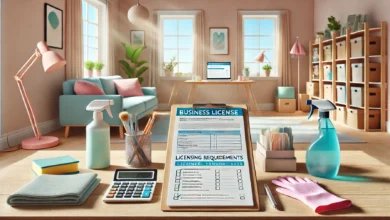
How to start a house cleaning business is a question many people ask when looking for a low-barrier, flexible, and scalable way to earn income. House cleaning businesses are popular because they require relatively low startup costs, steady demand, and can grow from a solo operation into a full-service company. This guide walks you through every essential step, from planning and pricing to legal setup, marketing, and long-term growth, so you can start your cleaning business with confidence and clarity.
Why Start a House Cleaning Business?
House cleaning is a service people need year-round. Busy professionals, families, seniors, renters, and landlords all rely on cleaning services to maintain their homes.
Unlike many businesses, a cleaning service does not require expensive equipment, inventory, or a storefront. You can start small, work flexible hours, and gradually expand as demand increases.
For many entrepreneurs, house cleaning is attractive because it offers predictable income, repeat clients, and the ability to scale by hiring staff.
Decide What Type of Cleaning Services You’ll Offer
The first step is deciding what kind of house cleaning business you want to run.
Some cleaners focus on standard residential cleaning such as weekly or biweekly maintenance. Others specialize in deep cleaning, move-in and move-out cleaning, or post-renovation cleaning.
You may also choose niche services such as eco-friendly cleaning, vacation rental cleaning, or luxury home cleaning. Specialization can help you stand out but may limit your audience.
Start with services you can confidently deliver, then expand once you gain experience.
Research Your Local Market
Understanding your local market is essential before setting prices or marketing your services.
Research existing cleaning companies in your area. Look at their pricing, service offerings, online reviews, and how they present themselves.
Pay attention to underserved areas or service gaps, such as lack of reliable cleaners, long wait times, or poor communication. These gaps represent opportunities for your business.
Market research helps you price competitively without undervaluing your work.
Create a Simple Business Plan
You don’t need a complex business plan, but you should outline the basics.
Your plan should include your services, target customers, pricing approach, startup costs, and income goals.
Think about how many jobs you need per week to reach your desired income and how long each job typically takes.
A clear plan keeps you focused and helps guide decisions as your business grows.
Choose a Business Name and Brand
Your business name should be easy to remember, professional, and appropriate for your services.
Avoid overly generic names that are hard to distinguish from competitors.
Once you choose a name, consider a simple logo and consistent colors for marketing materials. Branding builds trust and makes your business feel established.
Register Your Business and Handle Legal Basics
Register your cleaning business according to local regulations.
Many small cleaning businesses start as sole proprietorships, but some choose to form an LLC for added legal protection.
Check local requirements for business registration, tax identification numbers, and licenses.
Separating personal and business finances early helps prevent legal and accounting issues later.
Get the Right Insurance
Insurance is critical for a house cleaning business.
General liability insurance protects you if you accidentally damage a client’s property or someone is injured during cleaning.
If you plan to hire employees, workers compensation insurance may be legally required.
Insurance protects your business reputation and gives clients confidence in hiring you.
Buy Cleaning Supplies and Equipment
Startup supplies for a cleaning business are relatively affordable.
Basic equipment includes a vacuum, mop, buckets, microfiber cloths, sponges, and cleaning solutions.
Decide whether you will provide all supplies or allow clients to supply specific products.
As your business grows, investing in professional-grade equipment can improve efficiency and results.
Set Your Pricing Structure
Pricing is one of the most important decisions you’ll make.
Common pricing models include hourly rates, flat rates per job, or pricing based on square footage.
Consider your labor time, supply costs, travel time, insurance, and desired profit when setting prices.
Avoid underpricing to win clients — low prices can lead to burnout and difficulty scaling.
Create Clear Service Checklists
Service checklists define exactly what you will clean during each visit.
Clear checklists prevent misunderstandings and help maintain consistent quality.
Separate standard cleaning tasks from deep cleaning or add-on services.
Checklists also make it easier to train employees in the future.
Market Your House Cleaning Business
Effective marketing doesn’t require a huge budget.
Start by creating a simple website or business page with your services, contact information, and service area.
Register your business on local directories and Google Business listings.
Word-of-mouth referrals are powerful in the cleaning industry, so ask satisfied clients for reviews and referrals.
Flyers, social media, and neighborhood groups can also bring in early clients.
Get Your First Clients
Your first clients often come from personal connections.
Tell friends, family, and neighbors about your business.
Offer introductory pricing or referral discounts to encourage bookings.
Deliver excellent service from the start — early clients often become long-term customers.
Deliver Professional and Consistent Service
Consistency is key to success in house cleaning.
Arrive on time, follow your checklist, and communicate clearly with clients.
Respect clients’ homes, belongings, and privacy.
Professional behavior builds trust and leads to repeat bookings.
Handle Payments and Invoicing
Decide how you will accept payments.
Many cleaning businesses accept cash, bank transfers, or digital payments.
Clear payment terms help avoid misunderstandings.
As your business grows, using invoicing or scheduling software can save time and reduce errors.
Know When to Hire Help
As demand increases, you may reach a point where you can’t handle all jobs alone.
Hiring employees or subcontractors allows you to take on more clients.
Proper training, background checks, and clear expectations are essential when building a team.
Growth should be gradual and manageable.
Common Mistakes to Avoid
Underpricing services is one of the biggest mistakes new cleaners make.
Skipping insurance can expose you to serious financial risk.
Taking on too many clients too quickly can lead to burnout and poor service quality.
Failing to communicate clearly with clients often results in misunderstandings.
Pros and Cons of Starting a House Cleaning Business
The main advantages include low startup costs, steady demand, and flexible scheduling.
Challenges include physical labor, time management, and client expectations.
Understanding both sides helps you decide if this business fits your lifestyle and goals.
Frequently Asked Questions
Do I need experience to start a cleaning business?
No formal experience is required, but attention to detail and reliability are essential.
How much can a house cleaning business make?
Income varies widely depending on pricing, location, and number of clients.
Is house cleaning profitable?
Yes, especially with recurring clients and efficient scheduling.
How long does it take to get clients?
Many cleaners get their first clients within weeks using local marketing.
Conclusion
Starting a house cleaning business is one of the most accessible ways to build a reliable service-based income. With low startup costs, consistent demand, and the potential for long-term growth, it offers a practical path for entrepreneurs willing to deliver quality work.
By planning carefully, pricing your services properly, protecting yourself with insurance, and focusing on customer satisfaction, you can build a cleaning business that is both profitable and sustainable.
Ultimately, success in house cleaning comes down to consistency, professionalism, and trust — qualities that keep clients coming back year after year.