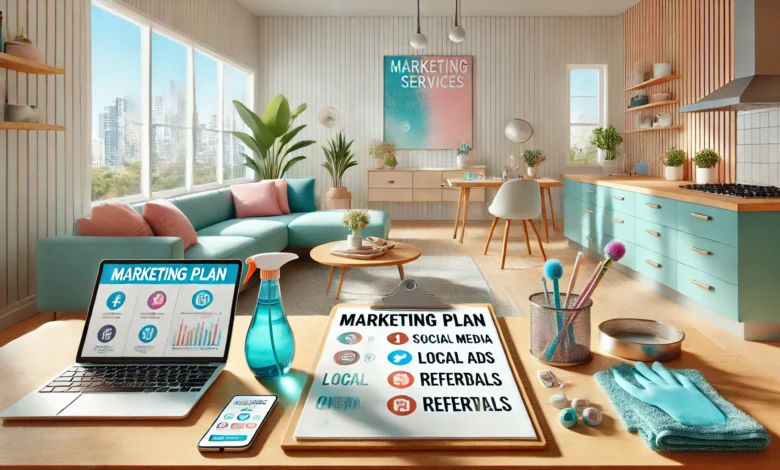
Marketing strategies for cleaning services are essential for attracting new clients, building trust, and creating steady, repeat business in a competitive market. Whether you run a solo house cleaning operation or manage a growing residential or commercial cleaning company, effective marketing is what turns your skills and reliability into consistent income. This guide explains proven marketing strategies for cleaning services, how they work in real life, and how to choose the right mix for long-term growth.
Why Marketing Matters in the Cleaning Industry
Cleaning is a service people usually hire based on trust, convenience, and reputation rather than brand loyalty. Most customers are not searching for the “best” cleaner in theory—they are looking for a reliable, available cleaner right now.
Strong marketing ensures that when someone needs a cleaning service, your business is visible, credible, and easy to contact.
Without consistent marketing, even excellent cleaning businesses struggle with gaps in their schedule and unpredictable income.
Understand Your Target Customers
Before choosing marketing tactics, it’s important to know who you want to serve.
Residential cleaning clients often include busy professionals, families, seniors, renters, and landlords.
Commercial cleaning clients may include offices, clinics, retail stores, property managers, and short-term rental hosts.
Each group responds to different messages. Families may value trust and reliability, while offices focus on consistency, insurance, and professionalism.
Build a Professional Online Presence
Today, most customers search online before hiring a cleaning service.
A simple, professional website is one of the most effective marketing tools. It should clearly explain your services, service area, pricing approach, and how to book or contact you.
Your website does not need to be complex, but it must look trustworthy, work well on mobile devices, and load quickly.
Including customer reviews, before-and-after descriptions, and clear calls to action helps convert visitors into clients.
Optimize Local Search Visibility
Local search is one of the highest-performing marketing channels for cleaning services.
Registering your business on Google Business Profile allows your company to appear in local search results and maps.
Accurate business information, service descriptions, and regular updates improve visibility.
Encouraging satisfied clients to leave reviews boosts credibility and increases your chances of being chosen.
Leverage Word-of-Mouth and Referrals
Word-of-mouth is one of the most powerful marketing strategies in the cleaning industry.
Happy clients often recommend cleaners to friends, family, or neighbors.
You can encourage referrals by simply asking satisfied customers or offering referral incentives such as discounts or free add-on services.
Referral-based clients tend to be more loyal and less price-sensitive.
Use Social Media Strategically
Social media can be an effective tool when used correctly.
Platforms like Facebook, Instagram, and local community groups work well for cleaning services.
Posting cleaning tips, behind-the-scenes content, before-and-after stories, and customer testimonials helps humanize your brand.
Consistency matters more than perfection. Even a few posts per week can keep your business top-of-mind.
Local Advertising and Offline Marketing
Offline marketing still plays a role, especially for residential cleaning.
Flyers, door hangers, and postcards in targeted neighborhoods can generate local leads.
Community bulletin boards, local newsletters, and neighborhood events offer affordable exposure.
Vehicle signage or branded uniforms also act as mobile advertisements while you work.
Online Advertising for Faster Results
Paid advertising can generate immediate leads when done correctly.
Local search ads allow your cleaning service to appear at the top of search results when people look for cleaners in your area.
Social media ads can target specific neighborhoods, income levels, or life events such as moving.
While paid ads cost money, they can be highly effective when combined with strong landing pages and clear offers.
Email and SMS Marketing for Retention
Marketing is not just about getting new clients—it’s also about keeping existing ones.
Email and text message reminders help reduce cancellations and encourage repeat bookings.
Seasonal promotions, cleaning reminders, and loyalty discounts keep clients engaged.
Retention-focused marketing is often cheaper and more profitable than constantly finding new customers.
Offer Clear Packages and Promotions
Clear service packages make it easier for customers to choose.
Standard cleaning, deep cleaning, and move-in or move-out packages reduce confusion and speed up booking decisions.
Limited-time promotions, first-time customer discounts, or bundled services can increase conversions.
Promotions should be used strategically, not constantly, to avoid undervaluing your services.
Build Trust Through Transparency
Trust is a major factor in cleaning service marketing.
Clear communication about pricing, what’s included, insurance coverage, and satisfaction guarantees builds confidence.
Professional photos, real testimonials, and clear policies help reduce hesitation.
The easier it is for a customer to feel safe hiring you, the more likely they are to book.
Partnerships and Networking
Partnering with related businesses can expand your reach.
Real estate agents, property managers, landlords, and home service providers often need reliable cleaners.
Networking with these professionals can generate steady referral work.
These partnerships are especially valuable for move-in, move-out, and recurring commercial cleaning.
Track and Measure Your Marketing Efforts
Effective marketing requires tracking results.
Ask new clients how they found you.
Track leads, bookings, and repeat customers from each channel.
This data helps you invest more in what works and eliminate what doesn’t.
Pros and Cons of Marketing for Cleaning Services
Marketing helps stabilize income, grow your client base, and build a recognizable brand.
The downside is time and cost, especially when testing new strategies.
However, consistent marketing usually pays off by reducing downtime and increasing long-term profitability.
Common Marketing Mistakes to Avoid
Relying on only one marketing channel can limit growth.
Underpricing services to attract clients often leads to burnout and low margins.
Inconsistent branding or messaging can confuse potential customers.
Ignoring reviews and online presence damages credibility.
Frequently Asked Questions
What is the best marketing strategy for cleaning services?
Local search visibility and referrals tend to deliver the best long-term results.
Do cleaning businesses need social media?
It’s not mandatory, but it helps build trust and brand awareness.
How much should I spend on marketing?
Many service businesses allocate 5–10% of revenue to marketing.
How long does marketing take to work?
Some strategies, like paid ads, work quickly. Others, like referrals and SEO, take longer but offer lasting benefits.
Conclusion
Marketing strategies for cleaning services are about visibility, trust, and consistency. The most successful cleaning businesses don’t rely on luck or word-of-mouth alone—they actively promote their services through a mix of online and offline channels.
By understanding your target customers, building a strong local presence, encouraging referrals, and tracking results, you can create a marketing system that keeps your schedule full.
Ultimately, effective marketing turns a cleaning service into a stable, scalable business that grows through reputation, reliability, and smart promotion.